
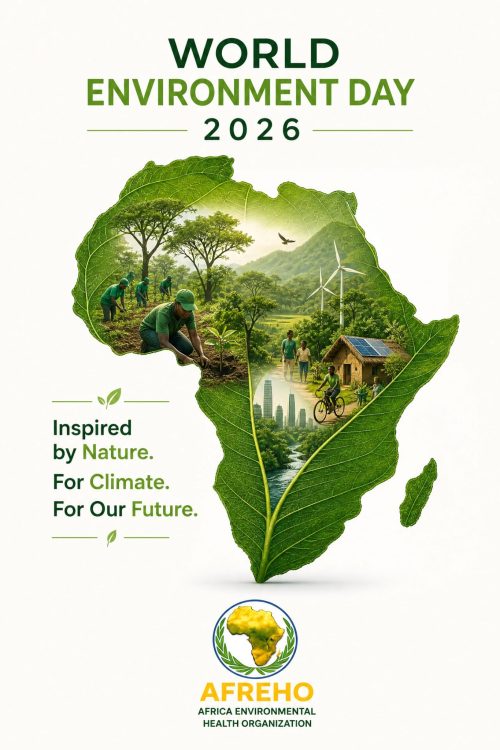
The planet is speaking in unmistakable terms, and its language is the language of climate signals. From intensifying heatwaves to unpredictable rainfall and rising sea levels, nature is sending clear warnings that the balance sustaining life is under threat. This year’s World Environment Day theme: “Inspired by Nature. For Climate. For Our Future” challenges us to recognise these signals not as distant scientific observations but as urgent messages demanding immediate human response.
Across regions and communities, the impacts of climate change are becoming deeply personal. Homes are flooded, crops fail, air quality worsens, and vulnerable populations face heightened health risks. These events are not isolated incidents; they are interconnected indicators of a warming planet. Each climate signal is a reminder that inaction carries consequences, and delayed action magnifies vulnerability. The theme compels us to confront the reality that the future we desire depends on the choices we make today.
Within these warnings lies a powerful opportunity. Nature itself provides the solutions capable of restoring stability and resilience. Forests absorb carbon, wetlands reduce flooding, oceans regulate temperature, and biodiversity strengthens ecological balance. Investing in nature‑based climate solutions is not only environmentally sound but economically strategic, offering long‑term protection for communities and ecosystems.
This year’s commemoration also highlights the importance of collective climate action. Every individual, institution, and government plays a role in shaping climate outcomes. Simple actions essentially reducing waste, conserving energy, planting trees, protecting water sources send positive signals that ripple across society. Through community climate action, we build momentum for broader systemic change.
Equally vital is the leadership of young people, innovators, and environmental health professionals. Their creativity, advocacy, and scientific insight are essential in driving climate smart policies and accelerating the transition to renewable energy. Empowering communities with knowledge strengthens resilience and ensures that climate action becomes a shared responsibility rather than a distant obligation.
As we mark World Environment Day, we are reminded that the planet has already spoken. The question is how we respond. By listening to climate signals, embracing nature‑based solutions, and acting with urgency, we can secure a healthier, safer, and more sustainable future. The time to act is not later, it is now.